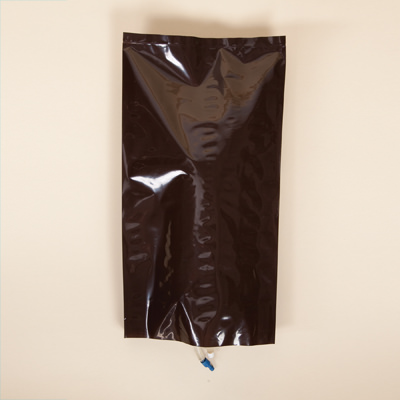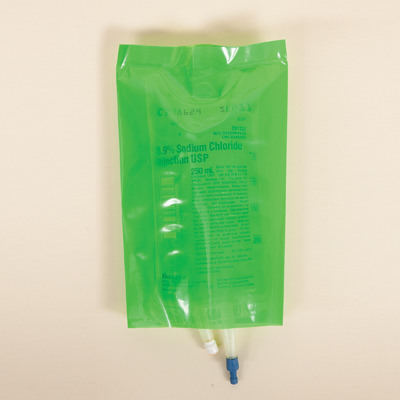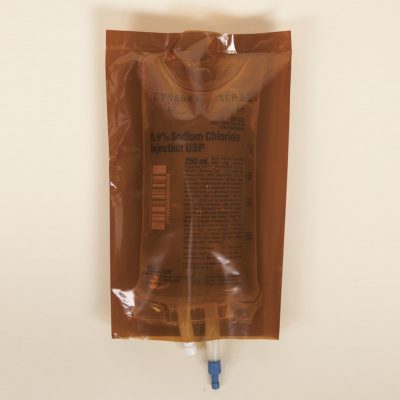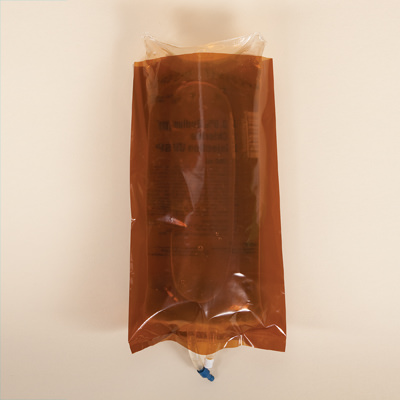
IV Inspection Light Box (17109)
![]() Click to enlarge |
If you have any questions please call |
- Used to determine the absence of particulates in compounded sterile drug products.
- Provides a means for pharmacists to comply with USP 27, Section <797> Pharmaceutical Compounding - Sterile Preparations.
- Allows user to perform finished preparation release checks for purity and quality.
- Physical inspection of the compounded sterile product (CSP) is achieved against lighted White and Black backgrounds for evidence of visible particulates of foreign matter.
- Check for precipitates, flocculation, undissolved substances, solvent impurities, and carmelization.
- Inspect for particulate from packaging components, environmental contaminants, processing and people.
- Visualize floaters, rubber coring, and other particulate matter such as glass, lint, fiber, hair, and skin.
- Monitor other aspects of the preparation such as color, visual signs of microbial growth and/or leaching of plasticizers.
- Assists in meeting ASHP Guidelines for Quality Assurance for Pharmacy-Prepared Sterile Products and Minimum Standards for Home Care Pharmacies.
- 4-1/2" (114mm) diameter magnifying glass allows for close visual inspection. Flexible arm permits easy movement.
- Consists of one plug-in Black UV and one plug-in White fluorescent light. Lights are 18"W (457mm) with 15W bulbs and 5 feet cords.
- Two 110V wall outlets are needed for operation. Each light is individually operated.
- Pre-drilled mounting holes
- Outside Dimensions: 19-3/4"W x 24-1/2"H x 7"D (502mm x 622mm x 178mm)
Product inspection should begin immediately after preparation or just before it leaves the pharmacy. Ideally the container should be free of labels or attachments during the inspection process and the inspector should wear talc-free gloves.
Two lights are mounted in the box. A White fluorescent light is mounted at the top of the box. A Black UV light is mounted at the bottom. Utilizing each light independently, the inspector should grip the container by its top and slowly swirl the contents (avoiding vigorous swirling) in a circular motion. Any air bubbles created should rise to the top of the container.
The inspector should hold the container about four inches above or below the light source (depending on which is being utilized at the time). In a motion from left to right, the container should be passed in front of the Black background first and then the White background and back again. The container should then be inverted and passed again before both backgrounds. A magnifying glass is attached to the box and could be utilized during this procedure for closer visual inspection.
Particulate matter usually remains at an even level or drops to the bottom of the container. The Black UV light aids in the visualization of glass or crystalline particulate and some types of bacterial. The White fluorescent light aids in visualizing solid particulate such as rubber cores, lint, chemical precipitate, hair, dust, or other particles.
There are no additional images for this product.

Categories
Information
Shopping Cart
Featured


Bestsellers